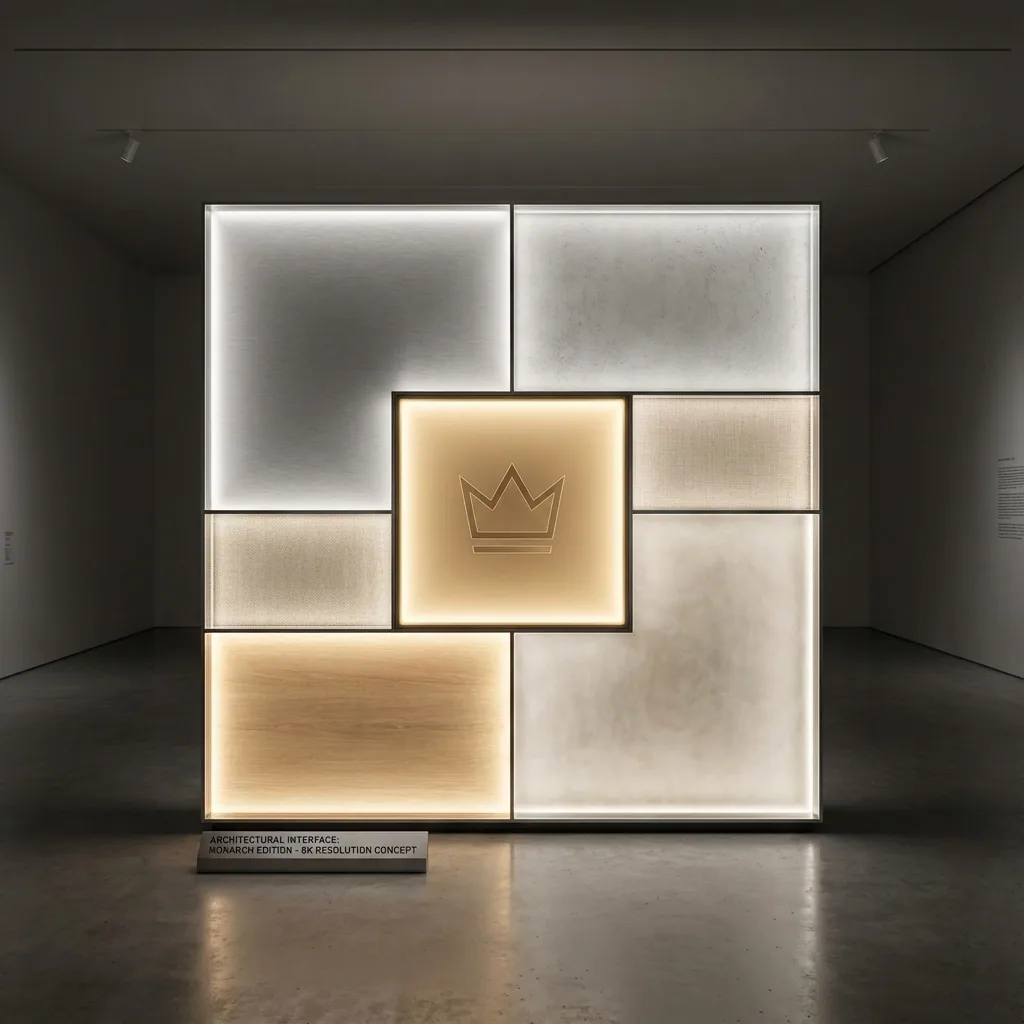
The Zone Editor is the heart of Staged. It's where you transform your massive ultrawide or multi-monitor setup from chaotic desktop sprawl into a perfectly organized gaming workspace.
I've spent hundreds of hours refining the Zone Editor based on my own needs and feedback from the community. This guide covers everything from basic concepts to advanced techniques that'll have you creating custom layouts like a pro.
Understanding Zone-Based Display Management
Before we dive into the editor, let's talk about what zones actually are and why they're powerful.
Traditional window management is reactive. You open an app, it spawns wherever Windows decides, you drag it somewhere, resize it, maybe it remembers next time, maybe it doesn't. Every session starts with reorganizing your desktop.
Zone-based management is proactive. You define areas of your screen (zones) with specific purposes. Apps snap to those zones and stay there. Open Discord? It goes to the Discord zone. Launch OBS? Preview zone. Start a game? Game Stage zone.
The Game Stage Concept
The Game Stage is Staged's core innovation. It's a dedicated zone where games run with fullscreen performance while remaining visually confined to that zone.
How it works:
- Game launches in the Game Stage zone
- Game thinks it's running in exclusive fullscreen (native performance)
- Surrounding zones remain visible with Discord, browser, etc.
- You get fullscreen performance without losing access to other apps
This solves the fundamental problem of ultrawide gaming: using your massive screen real estate effectively without sacrificing performance or constantly Alt-Tabbing.
Zones vs Windows Snap
Windows 11 has snap layouts. PowerToys has FancyZones. How is Staged different?
Windows Snap:
- Only works with windowed apps
- Games in fullscreen take over entire display
- No Game Stage concept
- Manual snapping required
- Lost on restart
PowerToys FancyZones:
- Great for desktop apps
- Games in fullscreen bypass zones entirely
- Zones are static regions, not app-aware
- No per-game profiles
- Focused on productivity, not gaming
Staged Zones:
- Game Stage runs games with fullscreen performance in a zone
- Apps automatically go to assigned zones
- Per-game profiles (different layouts for different games)
- Gaming-focused with streaming integrations
- Persistent across restarts
If you're organizing desktop apps, FancyZones is excellent. If you're gaming on ultrawide with Discord/OBS visible? Staged is purpose-built for that.
Anatomy of a Perfect Gaming Layout
Let's break down what makes a great zone layout:
Core Components
1. Game Stage (Required)
- Centered or positioned for comfortable viewing
- 16:9 ratio for streaming (2560x1440 or 1920x1080)
- 21:9 if you want full ultrawide in-game
- Large enough for immersion, not so large you're turning your head
2. Communication Zone
- Discord, TeamSpeak, or in-game voice chat overlay
- Usually vertical, 300-500px wide
- Left or right side depending on preference
- Tall enough to see recent chat messages
3. Monitoring Zone
- OBS preview for streamers
- Hardware monitors (temps, FPS, etc.)
- Stream chat if streaming
- 300-500px wide, opposite side from communication
4. Utility Zone (Optional)
- Browser for guides/wikis
- Music player
- Timer apps
- Whatever else you need occasionally
Layout Principles
Symmetry vs Asymmetry
Symmetrical layouts (zones evenly distributed) look clean and balanced. Great for ultrawide where you have lots of horizontal space.
Asymmetrical layouts (zones of different sizes) can be more functional. Maybe you need a large Discord zone for active chat but minimal space for OBS preview.
Neither is "better" - it depends on your use case.
Field of View Considerations
Your peripheral vision extends about 90 degrees horizontally from your focal point. On a 21:9 ultrawide, you can see the entire display with minimal head movement. On a 32:9 super ultrawide, you need to turn your head.
Position critical info (Game Stage, Discord chat) within easy view. Less important stuff (Spotify, hardware monitors) can go to the far edges.
Vertical vs Horizontal Zones
Most zone layouts use vertical zones (tall and narrow) because:
- Ultrawide displays have excess horizontal space, not vertical
- Discord and chat apps are designed for vertical scrolling
- Games are typically 16:9 or 21:9 (wider than tall)
But horizontal zones work great for:
- Stream alerts at the top
- Secondary game window at bottom
- Taskbar at bottom (if you show it)
Mix and match as needed.
Zone Editor Deep Dive
Let's walk through the Zone Editor interface and features:
Opening the Zone Editor
Launch Staged and click "Zone Editor" from the main menu, or press the hotkey (default: Ctrl+Shift+Z).
You'll see your display(s) represented as rectangles with any existing zones outlined.
Creating Your First Zone
Method 1: Click and Drag
- Click "New Zone" button
- Click and drag on your display to define the zone area
- Release to create the zone
- Properties panel appears on the right
Method 2: Manual Input
- Click "New Zone"
- In properties panel, enter exact coordinates:
- X position (pixels from left edge)
- Y position (pixels from top edge)
- Width in pixels
- Height in pixels
- Zone appears on the display
Method 3: Preset Templates
- Click "Load Preset"
- Select a preset layout (Streaming, Competitive, Productivity, etc.)
- All zones are created automatically
- Customize as needed
I recommend starting with a preset close to your desired layout, then tweaking it. Faster than building from scratch.
Zone Properties
When you select a zone, the properties panel shows:
Basic Properties:
- Name: Descriptive name like "Discord Zone" or "Game Stage"
- Type: Game Stage, App Zone, or Utility
- Color: Visual indicator in editor (doesn't affect actual use)
Position and Size:
- X, Y coordinates (top-left corner)
- Width, Height in pixels
- Lock aspect ratio toggle
- Alignment helpers (snap to edges, center, etc.)
Behavior:
- Auto-assign apps: Apps automatically go to this zone when opened
- App list: Which apps this zone is for (Discord, OBS, etc.)
- Persistent: Zone remembers apps even after restart
- Z-order: Which zone appears "on top" if zones overlap
Game Stage Specific:
- Fullscreen mode: Borderless or exclusive
- Performance mode: Prioritize FPS or quality
- Capture for streaming: Make this zone easy to capture in OBS
Editing Zones
Resize: Click and drag zone edges or corners Move: Click and drag zone interior Align: Use alignment tools to snap to edges or center Duplicate: Copy a zone to create similar zones faster Delete: Remove zone (requires confirmation if apps are assigned)
Pro tip: Use keyboard arrows for pixel-perfect positioning. Select a zone and press arrow keys to move 1px at a time, or Shift+Arrow for 10px jumps.
Zone Snapping and Guides
The editor includes helpful snapping:
- Edge snapping: Zones snap to display edges
- Zone snapping: Zones snap to other zone edges (great for tiling)
- Grid snapping: Snap to pixel grid (default 10px, adjustable)
- Alignment guides: Visual lines when zones align with others
Toggle snapping with the magnet icon. Temporarily disable by holding Ctrl while dragging.
Multi-Display Zone Management
If you have multiple monitors:
- Each display appears separately in the editor
- Create zones on any display
- Move zones between displays by changing coordinates
- Link zones across displays (advanced feature)
Game Stage can only exist on one display at a time. Apps zones can exist on any display.
Preset Layouts Explained
Staged includes several preset layouts. Here's what each is designed for:
Streaming Layout
Target: Single ultrawide streamers Configuration:
- Game Stage: 2560x1440 centered (16:9 for perfect stream capture)
- Discord zone: Left side, 440px wide
- OBS Preview zone: Right side, 440px wide
Best for: Twitch/YouTube streaming from 21:9 ultrawide
Competitive Layout
Target: Competitive gamers who want maximum Game Stage size Configuration:
- Game Stage: Maximum size (nearly full display)
- Minimal Discord zone: Thin strip on one side for voice status
- Hardware monitor: Small corner zone for FPS/temps
Best for: CS:GO, Valorant, League, any game where you need maximum screen space
Productivity + Gaming
Target: People who game and work on same setup Configuration:
- Game Stage: 60% of display
- Browser zone: 40% of display (for work/research)
- Small Discord zone overlay
Best for: Mixing gaming sessions with work/study
Super Ultrawide (32:9)
Target: 49" 5120x1440 displays Configuration:
- Game Stage: 2560x1440 centered
- Two zones on left (Discord, chat)
- Two zones on right (OBS, browser)
Best for: Samsung Odyssey G9 and similar 32:9 monitors
Dual Monitor Gaming
Target: Primary gaming display + secondary monitor Configuration:
- Game Stage: Full primary display
- App zones: All on secondary display
Best for: Traditional dual monitor setups where you want zones on the secondary only
You can use these as-is or as starting points for custom layouts.
Creating Custom Layouts
Let's build a custom layout from scratch:
Example: 21:9 Streaming Layout
Display: 3440x1440 ultrawide Goal: Stream-ready with monitoring tools
Step 1: Plan the Layout
Sketch it out (literally on paper or mentally):
- Game Stage: 2560x1440 (center)
- Discord: 440x1440 (left)
- OBS + Browser: 440x1440 (right), split into two horizontal zones
Step 2: Create Game Stage
- New Zone
- Name: "Game Stage"
- Type: Game Stage
- Position: X=440, Y=0 (starting 440px from left edge)
- Size: 2560x1440
- Lock aspect ratio: 16:9
Step 3: Create Discord Zone
- New Zone
- Name: "Discord"
- Type: App Zone
- Position: X=0, Y=0 (left edge)
- Size: 440x1440
- Auto-assign: Discord.exe
Step 4: Create OBS Preview Zone
- New Zone
- Name: "OBS Preview"
- Position: X=3000, Y=0 (right side)
- Size: 440x720 (top half of right side)
- Auto-assign: obs64.exe (or obs-studio)
Step 5: Create Browser Zone
- New Zone
- Name: "Browser"
- Position: X=3000, Y=720
- Size: 440x720 (bottom half of right side)
- Auto-assign: chrome.exe, firefox.exe
Step 6: Test and Adjust
- Click "Apply Layout"
- Launch Discord - should snap to Discord zone
- Launch a game - should go to Game Stage
- Open browser - should go to Browser zone
- Adjust sizes if anything feels cramped
Step 7: Save Layout
- Click "Save Layout As"
- Name: "Streaming Setup"
- Set as default (optional)
Now this layout loads automatically on Staged startup.
Saving and Managing Profiles
Layout Profiles
You can save multiple layout profiles:
- Streaming Layout: For when you're streaming
- Competitive Layout: Minimal distractions, max Game Stage
- Casual Layout: More relaxed, browser for guides visible
- Desktop Layout: No Game Stage, all app zones for productivity
Switch between profiles with hotkeys or the Staged tray menu.
Hotkey example:
- Ctrl+Alt+1: Load Streaming Layout
- Ctrl+Alt+2: Load Competitive Layout
- Ctrl+Alt+3: Load Casual Layout
Per-Game Profiles
This is a game-changer (pun intended).
Different games need different layouts:
Competitive shooter (Valorant):
- Max-size Game Stage
- Minimal Discord zone
MMO (Final Fantasy XIV):
- Medium Game Stage
- Large Discord zone for guild chat
- Browser zone for wiki/guides
Story-driven game (Cyberpunk 2077):
- Large Game Stage for immersion
- Minimal zones (maybe just music player)
With per-game profiles:
- Open Zone Editor
- Create a layout optimized for a specific game
- Save as "Valorant Layout"
- Assign to Valorant.exe
- Next time Valorant launches, this layout loads automatically
When you close the game, your default layout restores.
Setting up per-game profiles:
- Zone Editor > Profiles tab
- Click "New Game Profile"
- Select game executable (or browse to it)
- Design layout for this game
- Save profile
Staged detects when the game launches and switches layouts automatically. When you close the game, it reverts to your default layout.
Advanced Zone Editor Techniques
Overlapping Zones
Zones can overlap. This is useful for:
Picture-in-picture gaming:
- Large Game Stage zone
- Small secondary game zone (for idle game, queue simulator, etc.)
- Small zone appears "on top" of Game Stage
Alerts and overlays:
- Full-screen Game Stage
- Small alert zone at top for stream alerts
- Alert zone has higher z-order (appears on top)
Set z-order in zone properties. Higher number = appears on top.
Dynamic Zone Resizing
Some advanced users create zones that resize based on context:
- Game Stage expands when streaming apps are closed
- Discord zone minimizes to icon-only width when not active
- Browser zone hides completely during competitive gaming
This requires scripting (using Staged's API) but is powerful for ultra-optimized setups.
Multi-Profile Workflows
Chain profiles for different contexts:
"Starting Stream" workflow:
- Load Streaming Layout
- Launch Discord, OBS, browser automatically
- Apps snap to their zones
- Start OBS streaming
- Rich Presence updates Steam status
"Done Streaming" workflow:
- Stop OBS stream
- Auto-switch to Casual Layout
- Close streaming apps
- Discord stays open in new position
You can automate these workflows using Staged's profile triggers.
Zone Templates for Consistency
If you create multiple layouts with similar structures:
- Create a base template with common zones
- Save as template
- New layouts can inherit from template
- Modify the inherited zones as needed
This ensures consistency across profiles (Discord always 440px wide, Game Stage always 16:9, etc.).
Common Zone Editor Mistakes (And How to Avoid Them)
Mistake 1: Zones too small
Making zones 200px wide seems like it saves space, but apps become unusable. Discord needs at least 350px to show usernames without wrapping. OBS preview needs 400px+ to be readable.
Fix: Test zones with actual apps before committing to the layout.
Mistake 2: Game Stage off-center
If you position Game Stage too far left or right, you'll naturally tilt your head while gaming. Neck strain ensues.
Fix: Center Game Stage on your primary viewing position. Use alignment tools to ensure it's truly centered.
Mistake 3: Too many zones
Having 8 different zones sounds organized but is actually chaotic. You end up with tiny unusable zones.
Fix: Stick to 3-5 zones maximum. Focus on what you actually use while gaming.
Mistake 4: Ignoring aspect ratios
Creating a Game Stage that's 2500x1400 (non-standard ratio) causes games to stretch weirdly or show black bars.
Fix: Use standard ratios - 16:9, 16:10, or 21:9. Enable "Lock Aspect Ratio" in zone properties.
Mistake 5: Forgetting about vertical space
Ultrawide gives you horizontal space, but you still only have 1440px (or 1080px) vertical. Stacking too many horizontal zones vertically makes each zone too short.
Fix: Use vertical zones (tall and narrow) for most layouts.
Mistake 6: Not testing with games
A layout that looks perfect in the editor might feel cramped when you're actually gaming.
Fix: Test every layout with actual games before saving it as your daily driver.
Zone Editor Keyboard Shortcuts
Mastering keyboard shortcuts makes zone editing WAY faster:
General:
- Ctrl+N: New zone
- Ctrl+S: Save layout
- Ctrl+Z: Undo
- Ctrl+Y: Redo
- Delete: Delete selected zone
Selection:
- Tab: Cycle through zones
- Shift+Tab: Cycle backward
- Ctrl+A: Select all zones
- Escape: Deselect
Movement:
- Arrow keys: Move zone 1px
- Shift+Arrows: Move zone 10px
- Ctrl+Arrows: Move zone to edge
Resizing:
- Ctrl+Shift+Arrow: Resize zone by 1px
- Alt+Shift+Arrow: Resize zone by 10px
Alignment:
- Ctrl+L: Align left
- Ctrl+R: Align right
- Ctrl+T: Align top
- Ctrl+B: Align bottom
- Ctrl+M: Center horizontally
- Ctrl+E: Center vertically
View:
- Ctrl+0: Fit all displays in view
- Ctrl+Plus: Zoom in
- Ctrl+Minus: Zoom out
- Space (hold): Pan view
Learning even half of these shortcuts will 10x your editing speed.
Frequently Asked Questions
Can I create zones on multiple monitors?
Yes. The Zone Editor shows all connected displays. Create zones on any display. Game Stage can only be on one display at a time, but app zones can be on any display.
What happens if I resize my display or change resolution?
Zones scale proportionally. If you create zones at 3440x1440 and switch to 2560x1080, zones resize to maintain the same relative positions and sizes. You may need to fine-tune, but the layout won't completely break.
Can I share zone layouts with friends?
Yes. Zone layouts are saved as JSON files. You can export a layout and share the file. Others can import it into their Staged install. Great for sharing optimized layouts with communities.
Do zones work with games that don't support borderless windowed mode?
Game Stage supports exclusive fullscreen. The game runs in true fullscreen within the Game Stage zone. Some games may require borderless windowed, but most work in exclusive fullscreen.
Can I have different zone layouts for streaming vs non-streaming?
Absolutely. Create a "Streaming" profile with OBS zones and a "Gaming" profile without them. Switch between profiles as needed, or use triggers to auto-switch when OBS starts streaming.
The Zone Editor is where Staged's flexibility shines. Presets get you started fast, but custom layouts tailored to your exact workflow are where the magic happens.
Take time to experiment. Try different zone sizes, positions, and configurations. Test with actual games and apps. Refine until it feels natural. Once you have the perfect layout, gaming on ultrawide becomes effortless - everything is always where you expect it, no manual window management required.
The goal isn't just organization. It's creating a gaming environment so well-optimized that you forget about the zones entirely and just enjoy the experience.
Ready to design your perfect gaming layout? Download Staged and start creating custom zones for your ultrawide setup.